Site Vegetation Management
Effective management on a utility-scale solar farm requires more than just reacting when the grass gets too high. It requires a systematic understanding of the land, the infrastructure, and how they interact.
Site Vegetation Assessment
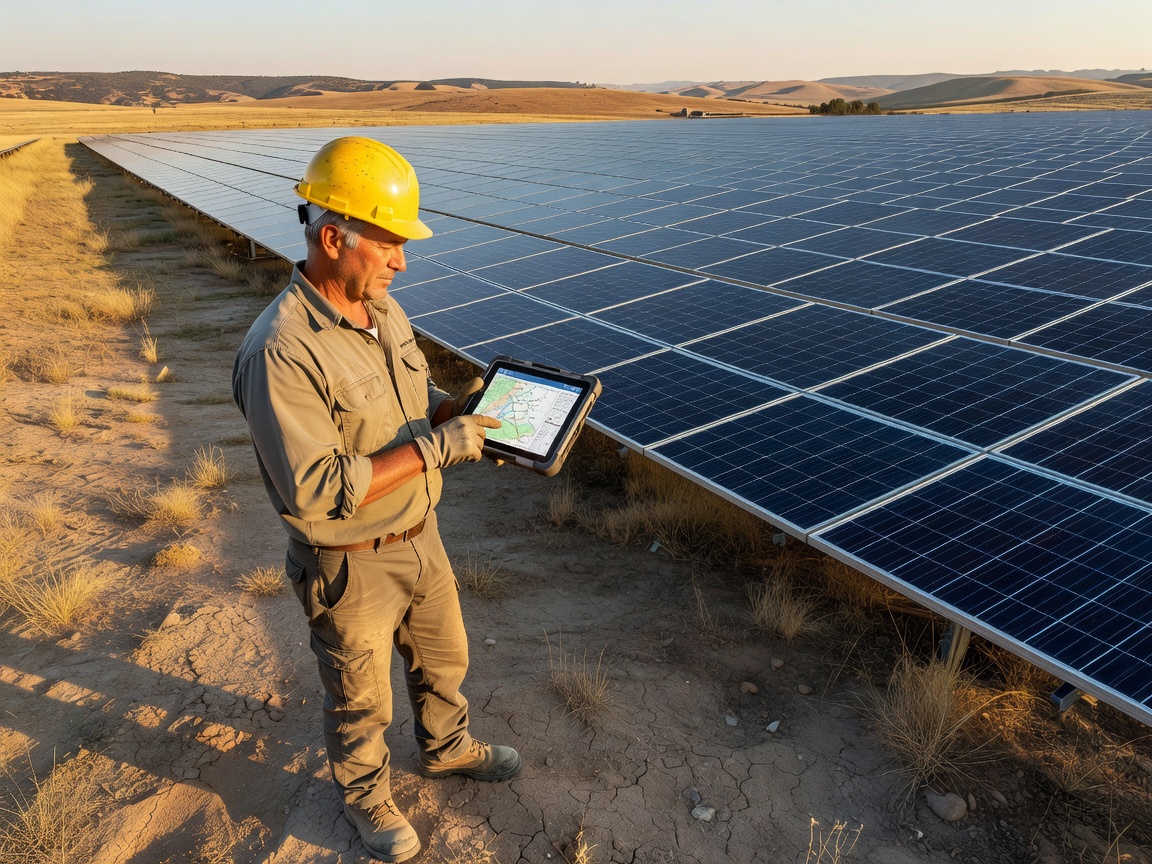
Every successful field operation starts with a clear understanding of what you are dealing with. A comprehensive site vegetation assessment looks at the types of plant species present across the installation. We look at the local climate, soil types, and existing ground cover to anticipate growth rates. If your site has aggressive woody weeds or invasive climbing vines, these need to be flagged early because they pose a direct threat to mounting structures and exposed cabling.
During the assessment, we map out the terrain, identifying low spots where water pools and encourages rapid, dense weed growth. Understanding these micro-environments allows for a much more targeted approach, ensuring resources aren't wasted mowing barren areas while trouble spots are ignored.
Grass and Low-Growth Management
The goal is rarely to eradicate all plant life. Bare dirt leads to dust, and dust coats the panels, drastically dropping their efficiency. Furthermore, bare dirt leads to severe soil erosion during heavy rains, which can undermine the structural integrity of the panel mounting posts.
Instead, the aim is careful grass and low-growth management. We help devise plans to maintain a healthy, low-growing ground cover that holds the soil together without ever reaching the lower edges of the solar modules. By encouraging the right type of vegetation, you naturally suppress the taller, more problematic weeds that cause shading issues.
Growth Around Access Routes and Equipment
Vegetation doesn't just threaten the panels; it threatens the operability of the entire site. Growth around access routes can rapidly narrow service roads, making it difficult or dangerous for maintenance trucks to navigate the site. Similarly, vegetation near equipment like inverters, transformers, and battery storage units poses a significant fire risk and impedes the necessary airflow for cooling.
Maintaining strict, clear perimeters around critical infrastructure is a core part of any management plan. This often requires different techniques than the general field areas, shifting from broad mechanical control to precise, localized management to ensure delicate cabling and grounding wires are never put at risk.
Inspection Planning and Maintenance Scheduling
You can't manage what you don't monitor. Regular inspection planning is critical. Site conditions change rapidly depending on the weather; a heavy spring rain followed by a warm week can result in unexpected growth surges. Routine inspections ensure that these surges are caught before they impact energy generation.
From these inspections, we can build a dynamic maintenance schedule. Rather than sticking to a rigid calendar that might see crews mowing during a drought, scheduling should be responsive to actual site conditions. This adaptability requires close coordination with other maintenance activities. If panel-washing crews or electrical engineers are scheduled to be on-site, vegetation management should be timed to clear their way, avoiding scheduling conflicts and improving overall operational efficiency.
Need an assessment for your site?
Discuss your site's specific challenges and let us help you develop a practical management plan.
Contact Our Team