Environmental Ground Maintenance
Managing a solar site isn't just about cutting grass. It's about maintaining the integrity of the soil and respecting the local ecology while keeping the facility operational.
Protecting the Ground Underneath
The structural stability of a solar farm relies entirely on the ground conditions beneath it. Severe soil disturbance from poorly planned maintenance can compromise the friction piles holding up the arrays. When heavy machinery is brought onto a site during inappropriate seasonal conditions, it creates deep ruts. These ruts act as channels for water, rapidly accelerating erosion awareness and threatening the site's civil engineering.
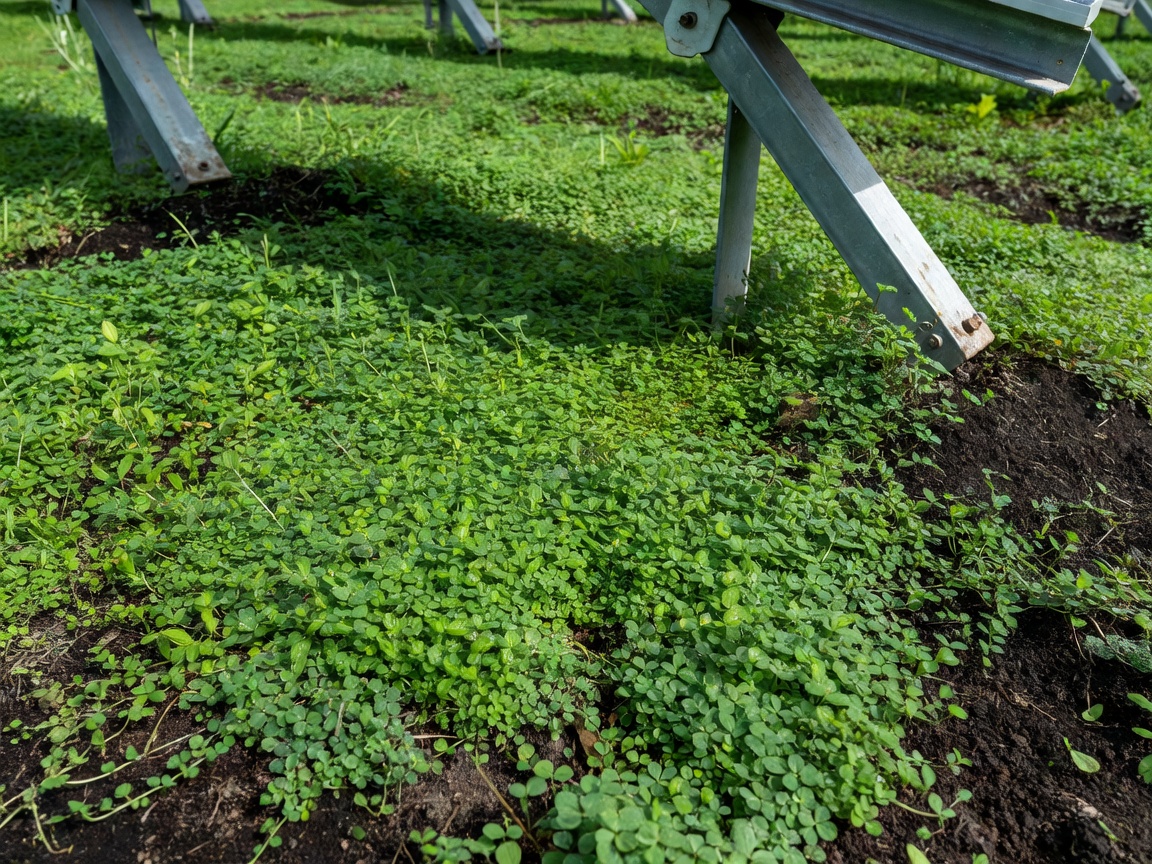
Responsible vegetation practices focus on minimizing this impact. This means knowing when to stay off the site. If the ground is saturated from heavy rains, maintenance should be delayed. Fostering a dense, low-growing root mat is the best defense against erosion, binding the topsoil together and allowing water to infiltrate naturally rather than washing away the surface.
Site-Specific Environmental Constraints
Utility-scale projects are frequently built on land that has adjacent environmental sensitivities. There may be specific habitat considerations that must be respected. For example, certain sections of a site might serve as a buffer for local waterways, requiring a different, less aggressive management approach to prevent runoff.
Additionally, sites often have specific land-management requirements attached to their original planning permissions. These might dictate what type of ground cover can be used, or restrict maintenance activities during certain wildlife nesting seasons. Coordination with land-management requirements is essential to keep the site compliant with its environmental obligations.
Balancing Ecology and Operation
The goal is to find the balance point where operational efficiency meets environmental stewardship. By encouraging natural, low-growing vegetation, you reduce the frequency of mechanical mowing required, which in turn lowers carbon emissions from maintenance equipment and reduces soil compaction.
We approach ground maintenance with this long-term stability in mind. Rather than simply fighting the landscape, we look at site-specific environmental constraints and help tailor a strategy that supports a stable, manageable ground environment that protects your physical assets.
Looking for sustainable maintenance?
Contact us to discuss ground maintenance strategies tailored to your site's environmental conditions.
Contact Our Team